PillsDrop Home

Category

Patient Education

14 articles

Expired Medications: Separating Genuine Risk From Retail Convenience

Expired Medications: Separating Genuine Risk From Retail Convenience

Most Americans discard medications the moment they pass their printed expiration date, assuming the contents have become either ineffective or dangerous. The science behind drug stability tells a more complicated story—one that has real consequences for your health decisions and your household budget.

Why Rare Disease Patients Can't Always Get Their Medications Delivered—and What to Do About It

Why Rare Disease Patients Can't Always Get Their Medications Delivered—and What to Do About It

For patients living with rare diseases, the promise of convenient home delivery often collides with a complicated web of FDA regulations, specialty pharmacy requirements, and supply chain limitations. Understanding why orphan drugs fall outside the reach of standard delivery services—and learning the workarounds that exist—can make a meaningful difference in both access and cost.

How Digital Pharmacy Records Create a Safety Net That Traditional Pharmacies Often Miss

How Digital Pharmacy Records Create a Safety Net That Traditional Pharmacies Often Miss

Centralized digital records at mail-order and delivery pharmacies do more than track refills—they run sophisticated checks that catch dangerous drug interactions, duplicate prescriptions, and dosing inconsistencies before a single pill is dispensed. The result is a secondary layer of protection that many patients don't realize exists, and that traditional brick-and-mortar pharmacies are structurally less equipped to provide.

Cutting Your Medication Costs Without Cutting Corners: Strategies Your Insurer Is Unlikely to Volunteer

Cutting Your Medication Costs Without Cutting Corners: Strategies Your Insurer Is Unlikely to Volunteer

Prescription drug costs in the United States remain among the highest in the developed world, but a significant portion of that burden is avoidable with the right knowledge. From manufacturer patient assistance programs to strategic refill timing around your deductible calendar, there are legitimate tools most patients never use — simply because no one tells them about. This guide walks through the most effective strategies for reducing what you actually pay at the pharmacy counter.

Pharmacy Deserts Are Spreading Across Rural America — Here Is What Patients Can Do Right Now

Pharmacy Deserts Are Spreading Across Rural America — Here Is What Patients Can Do Right Now

Hundreds of independent and chain pharmacies have shuttered in small towns and underserved communities over the past decade, leaving millions of Americans with no reliable way to fill a prescription. Delivery pharmacy models are stepping in to fill part of that void — but the solution is more complicated than it first appears. This piece examines what is actually happening on the ground and what options remain for patients navigating a shrinking pharmaceutical landscape.

The Hidden Drug Interactions Hiding in Plain Sight: What Your Insurance Portal Will Never Tell You About Supplements

The Hidden Drug Interactions Hiding in Plain Sight: What Your Insurance Portal Will Never Tell You About Supplements

Millions of Americans take herbal supplements, vitamins, and over-the-counter products alongside their prescription medications without realizing the combinations can be dangerous. Insurance systems and automated pharmacy checks are not designed to catch these interactions—leaving patients to navigate a blind spot in their own care. Understanding which products pose the greatest risk, and what to disclose before your next delivery, could make a meaningful difference in your health outcomes.

How Your Delivery Pharmacy Catches the Drug Combinations Your Doctor May Have Missed

How Your Delivery Pharmacy Catches the Drug Combinations Your Doctor May Have Missed

Modern pharmacy delivery services run sophisticated interaction-screening software every time a new prescription enters the system — a layer of protection that many patients don't realize exists. As healthcare becomes increasingly fragmented across multiple specialists and telehealth providers, that automated checkpoint may be the last line of defense between a patient and a dangerous drug combination. Here is what that process looks like, and what you should ask before your next shipment arrive

Telehealth or the Doctor's Office? A Practical Guide to Getting Your Prescription Without the Runaround

Telehealth or the Doctor's Office? A Practical Guide to Getting Your Prescription Without the Runaround

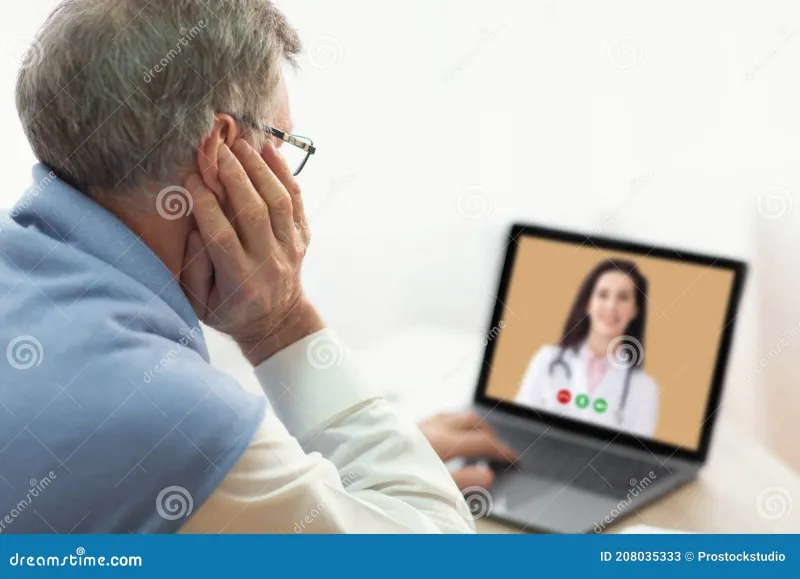
Choosing between a virtual doctor visit and an in-person appointment can mean the difference between a prescription in your inbox by afternoon and a week-long wait at the clinic. This guide breaks down exactly when each option makes sense, how insurance coverage differs, and how medication delivery services fit into both pathways. Whether you are managing a routine refill or navigating a new diagnosis, here is how to get the right prescription as efficiently as possible.

Why Half of Americans Never Finish Their Prescriptions — And What Actually Works to Change That

Why Half of Americans Never Finish Their Prescriptions — And What Actually Works to Change That

Medication non-adherence affects nearly 50% of Americans with chronic conditions, contributing to an estimated $300 billion in avoidable healthcare costs each year. Understanding the real reasons people skip doses — from financial strain to simple forgetfulness — is the first step toward lasting change. This guide breaks down the barriers and offers practical, evidence-based solutions for staying on track with your prescriptions.